Key Takeaways:
- Urban areas offer strong and consistent demand due to limited living space, frequent moves, and growing business storage needs, making them highly attractive for long-term investment.
- Profitability depends less on filling space and more on maximizing efficiency, pricing strategically, and using vertical designs to optimize limited land.
- Location selection is critical—proximity to residential zones, visibility, accessibility, and neighborhood development trends can directly determine success or failure.
- Zoning laws and regulations are a major hurdle in cities, so proper due diligence and expert guidance are essential before committing to a site.
- Startup costs are significantly higher in urban markets, often requiring millions in capital, which makes financing strategy and planning a core part of the process.
- Modern storage customers expect convenience-driven features such as security, climate control, digital access, and flexible unit options, not just basic storage space.
- Long-term success comes from combining smart design, efficient operations, strong marketing, and scalable systems that allow expansion into additional locations over time.
Starting a storage unit business in a busy city can be one of the most strategic real estate investments you make. Urban areas are packed with renters, small businesses, and people constantly on the move—all of whom need extra space. Whether it’s due to downsizing, relocation, or limited apartment storage, demand for storage units continues to grow in cities around the world.
But high demand also comes with higher costs, tighter regulations, and fierce competition. That means success isn’t just about building units—it’s about making smart decisions from day one.
This guide walks you through exactly how to approach the process, from research and planning to operations and growth, with a practical, real-world perspective.
Why Urban Areas Are Ideal for Storage Businesses
Urban environments create a perfect storm of demand for storage solutions. Limited living space, high population density, and constant turnover all contribute to a steady need for extra storage. In cities, people are often forced to make trade-offs between location and space, and storage units become the practical solution to that compromise.
Think about the average city resident: they may live in a small apartment, frequently move for work, or share space with roommates. On top of that, urban businesses—from small retailers to online sellers—often need off-site storage to manage inventory. All of this creates a steady, reliable customer base that doesn’t fluctuate as dramatically as other industries.
Here’s why cities are especially attractive:
- Smaller living spaces mean residents don’t have enough room for seasonal items, furniture, or personal belongings
- Frequent relocations increase demand for both short-term and long-term storage
- Business demand from retailers, contractors, and e-commerce sellers needing inventory space
- Higher income levels in certain urban areas allow for premium pricing models
- Limited available land restricts new competition, especially in densely built neighborhoods
- Lifestyle shifts like downsizing or minimalism often require temporary storage solutions
However, while demand is strong, the cost of entry is significantly higher than in suburban or rural areas. Land prices, construction costs, and regulatory requirements all add up quickly. That’s why careful planning, market research, and strategic positioning matter more here than anywhere else.
What Makes a Storage Business Profitable in Cities?
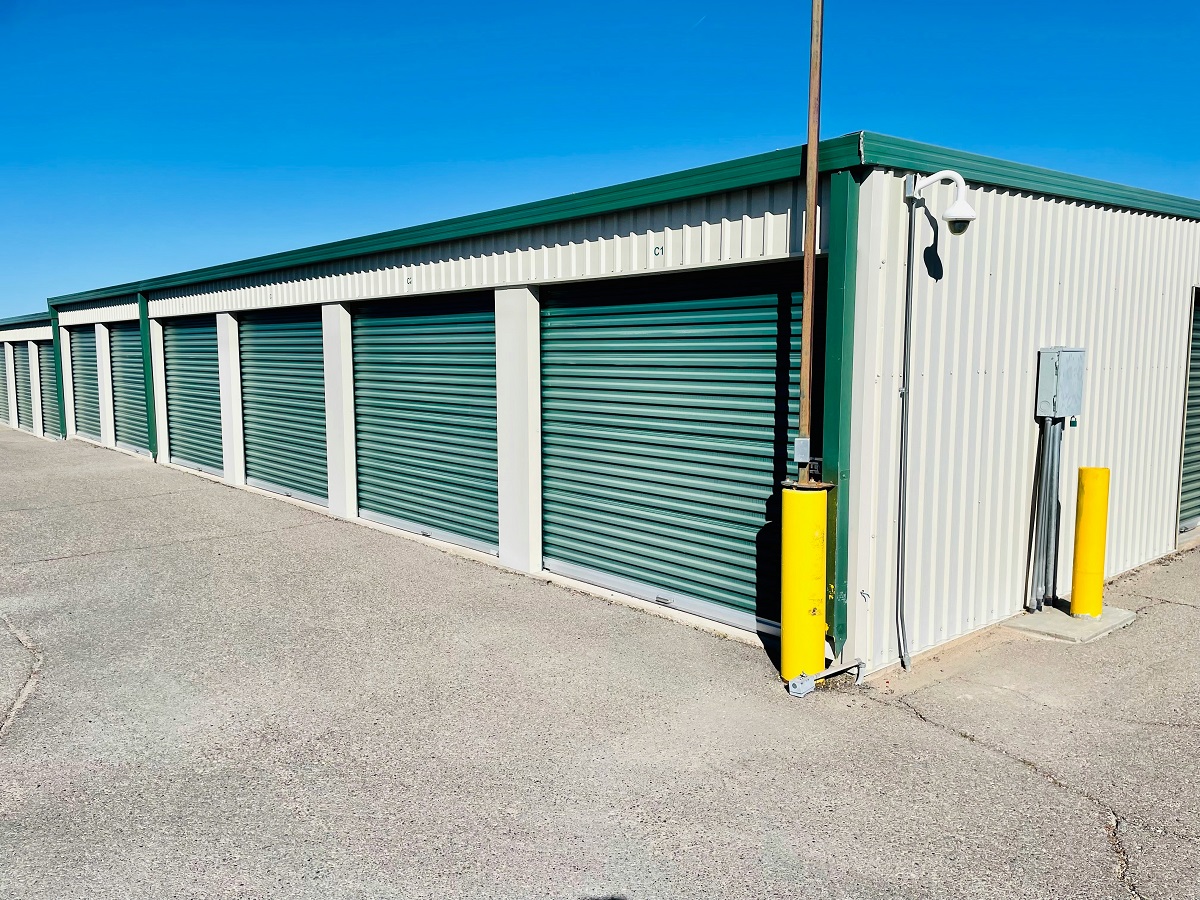
Profitability in urban storage isn’t just about filling units—it’s about making the most of every square foot while keeping operational costs under control. Unlike suburban facilities that can expand outward, city-based facilities need to grow upward and operate smarter. Urban customers are often less price-sensitive but more convenience-driven. That means they’re willing to pay more for accessibility, security, and ease of use—but only if you deliver a smooth experience.
To succeed, you’ll need to focus on:
- Vertical space usage by building multi-story facilities that maximize land value
- Premium pricing strategies based on proximity, accessibility, and demand
- Value-added services such as climate-controlled units, package acceptance, or extended access hours
- Efficient operations that reduce staffing needs through automation
- High turnover optimization by offering flexible rental terms
- Customer experience through clean, secure, and easy-to-navigate facilities
In a city environment, even small inefficiencies can cut into profits. The goal is to create a system where space, pricing, and operations all work together seamlessly.
How Do You Choose the Right Location?
Location is everything in a city-based storage business. A difference of just a few blocks can impact your visibility, customer base, and long-term profitability. The ideal location strikes a balance between accessibility, demand, and cost. Urban customers prioritize convenience. If your facility is difficult to access or hidden from view, you’ll struggle to compete—even if your pricing is attractive.
When evaluating a location, consider:
- Proximity to residential hubs like apartment complexes, condos, and student housing
- Access to major roads and public transportation for easy customer entry
- Nearby commercial zones where businesses may need storage solutions
- Traffic flow and visibility to attract walk-in or drive-by customers
- Local competition density to understand market saturation
- Parking availability and loading access for customer convenience
It’s also important to analyze neighborhood trends. Areas undergoing redevelopment or gentrification often experience population shifts, which can drive storage demand. Pay attention to new housing developments, commercial expansions, and infrastructure improvements.
Understanding Zoning and Regulations
Urban zoning laws can make or break your project. Many cities have strict rules about where storage facilities can operate, especially in high-density or mixed-use areas. Skipping this step or misunderstanding regulations can lead to delays, fines, or even project shutdowns.
You’ll need to:
- Check zoning classifications to confirm storage use is allowed
- Understand building height and density restrictions that may limit your design
- Review environmental regulations, especially if converting older buildings
- Secure permits and approvals from local authorities
- Comply with fire safety and accessibility standards
- Understand signage and advertising limitations
Working with a local real estate attorney, zoning expert, or consultant is often worth the investment. They can help you navigate complex requirements and avoid costly mistakes.
Should You Build or Convert an Existing Property?
In urban areas, land is scarce and expensive, so choosing between new construction and conversion is a major decision. Each option comes with its own trade-offs in terms of cost, timeline, and flexibility.
Building New
Building from the ground up gives you full control over design and functionality, which can be a huge advantage in a competitive market.
Pros:
- Fully customizable layout tailored to your target market
- Ability to incorporate modern systems and energy-efficient designs
- Strong long-term asset value
Cons:
- High land acquisition costs
- Longer development timeline
- More complex permitting and approvals
Converting Existing Buildings
Conversions are often the go-to strategy in dense cities where land is limited.
Pros:
- Lower upfront investment compared to new builds
- Faster time to market
- Prime locations in established neighborhoods
Cons:
- Structural limitations that may affect layout efficiency
- Unexpected renovation costs
- Potential zoning or compliance challenges
Many successful operators turn underutilized spaces—like warehouses, retail buildings, or offices—into highly profitable storage facilities.
How Much Does It Cost to Start?
Starting a storage unit business in an urban area requires significant capital, and costs can vary widely depending on your approach. The difference between a small converted facility and a multi-story build can be millions.
Key cost factors include:
- Land or property acquisition, often the largest expense in cities
- Construction or renovation costs, including materials and labor
- Security systems, such as cameras, access control, and alarms
- Technology investments, including management software and automation tools
- Staffing and operational setup
- Marketing and branding efforts to attract initial customers
- Insurance and compliance costs
In major cities, total startup costs can easily reach into the millions. That’s why it’s essential to have a clear financial plan before you begin.
Exploring Financing Options
Few entrepreneurs fund an urban storage project entirely out of pocket. Instead, most rely on a mix of financing sources to spread risk and maintain cash flow.
Common options include:
- Commercial real estate loans from banks or lending institutions
- Small business loans designed for startups
- Private investors or equity partners
- Real estate investment groups or syndicates
- Seller financing in some property acquisition deals
To secure funding, you’ll need:
- A detailed business plan
- Accurate financial projections
- Market analysis supporting demand
- A clear exit or growth strategy
The stronger your preparation, the easier it becomes to attract funding.
What Features Do Urban Customers Expect?
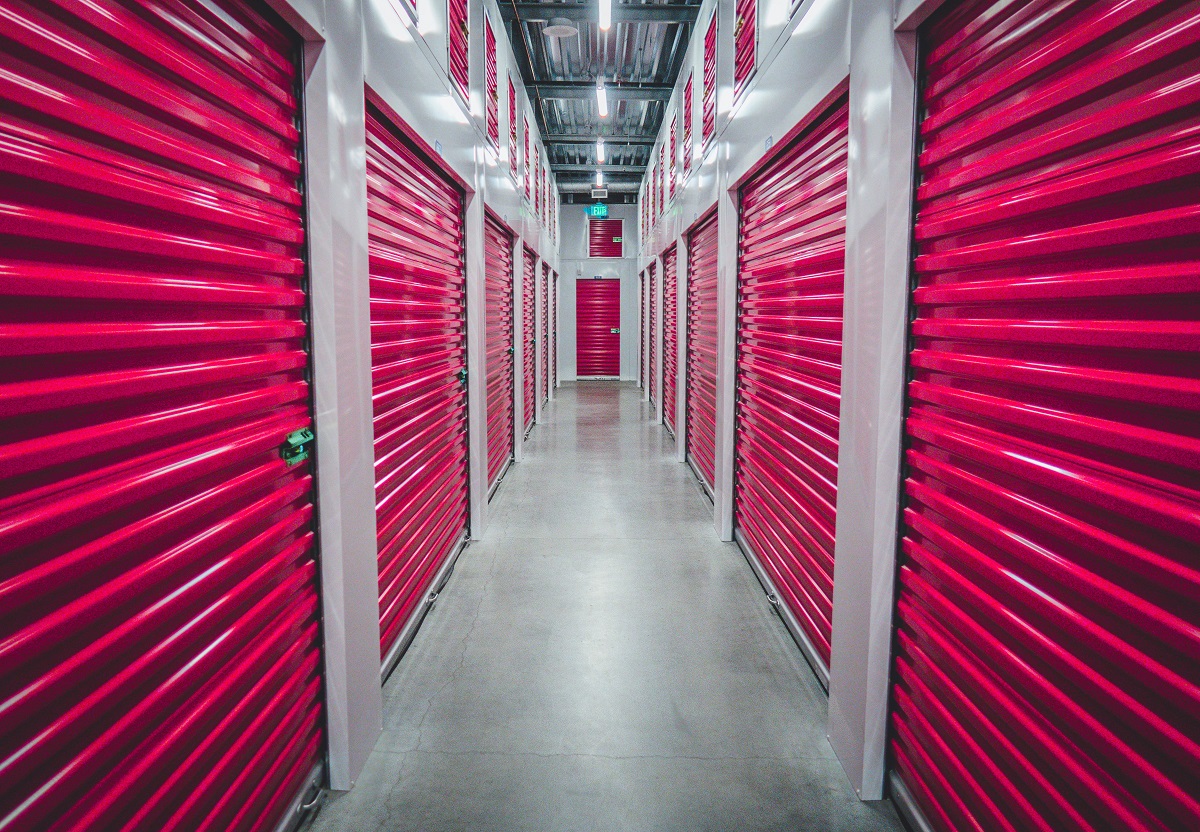
City customers are often willing to pay more—but they expect convenience, security, and a seamless experience in return. Offering the right features can significantly impact your occupancy rates and customer retention.
Here are some features that can set your facility apart:
- Climate-controlled units for sensitive items
- 24/7 access with secure entry systems
- Advanced surveillance and monitoring systems
- Online booking, billing, and account management
- Clean, modern, and well-lit facilities
- Flexible unit sizes for different needs
- Loading docks, elevators, and carts for easy movement
These features aren’t just “nice to have”—in competitive urban markets, they’re often expected.
How Do You Design an Efficient Facility?
Design plays a critical role in maximizing both profitability and customer satisfaction. In cities, every square meter matters, so efficiency should guide every design decision.
Focus on:
- Multi-level layouts to maximize capacity without expanding your footprint
- Wide corridors and freight elevators for easy access
- Strategic unit mix based on local demand (small vs. large units)
- Clear signage and navigation to improve user experience
- Security integration throughout the design
A well-designed facility reduces operational friction, improves customer flow, and increases overall usability.
Staffing and Operations: What Should You Plan For?
Running a storage business doesn’t require a large team, but it does require smart planning and efficient systems. Your goal should be to keep operations lean while still delivering excellent service.
Typical staffing includes:
- Facility manager to oversee daily operations
- Customer service staff to handle inquiries and rentals
- Maintenance personnel for repairs and upkeep
To stay efficient, many operators rely heavily on automation:
- Online booking and reservation systems
- Automated billing and payment processing
- Digital access control systems
- Customer communication platforms
As you plan land purchase and workforce, it’s important to think long-term. Investing in automation early can significantly reduce staffing costs while improving customer experience. A well-balanced approach between human support and technology will help you scale more efficiently.
How Do You Attract Customers in a Competitive Market?
Marketing is essential in urban areas where customers have multiple options. Standing out requires a mix of digital presence, local partnerships, and consistent branding.
Effective strategies include:
- Local SEO optimization to appear in search results
- Google Business listings with strong reviews
- Paid advertising campaigns targeting nearby residents
- Partnerships with real estate agents and moving companies
- Referral programs to encourage word-of-mouth
- Social media marketing to build brand awareness
The goal is simple: be visible, trustworthy, and easy to choose.
Pricing Strategies That Work in Cities
Urban pricing is dynamic and should reflect both demand and convenience. Customers are often willing to pay more for location and accessibility, but pricing still needs to remain competitive.
Consider:
- Tiered pricing models based on size, location, and features
- Introductory discounts to attract new customers
- Seasonal pricing adjustments during peak moving periods
- Premium pricing for high-demand units
Regular pricing reviews will help you stay competitive while maximizing revenue.
How Do You Maintain High Occupancy Rates?
Keeping your units filled is the foundation of a successful storage business. High occupancy ensures steady cash flow and long-term sustainability.
To maintain high occupancy:
- Monitor local demand and adjust pricing accordingly
- Offer promotions during slower periods
- Maintain excellent customer service
- Keep your facility clean, secure, and well-maintained
- Stay responsive to customer feedback
Retention matters just as much as acquisition. Satisfied customers are more likely to stay longer and refer others.
Managing Risks in Urban Storage Businesses
Urban storage businesses face unique risks due to higher costs and tighter regulations. Being proactive can help you avoid major setbacks.
Common risks include:
- High operating and maintenance costs
- Regulatory changes or zoning restrictions
- Economic downturns affecting demand
- Increased competition
Mitigation strategies:
- Build a financial cushion for unexpected expenses
- Diversify your customer base
- Stay updated on local regulations
- Continuously improve your services and facility
Planning ahead is the best way to protect your investment.
Can You Scale This Business Over Time?
One of the biggest advantages of the storage industry is its scalability. Once your first location is successful, expanding becomes much easier.
You can grow by:
- Opening new locations in nearby neighborhoods
- Expanding your current facility
- Partnering with investors for larger projects
- Acquiring existing storage businesses
Urban markets offer strong long-term opportunities if you build a solid foundation from the start.
So, Is This the Right Business for You?
Starting a storage unit business in a high-demand urban area isn’t a quick win—it’s a long-term investment that requires careful planning, significant capital, and ongoing management. It takes time to secure the right location, design an efficient facility, and build a steady customer base, especially in competitive city markets where expectations are high and margins depend on smart execution.
That said, the potential upside is significant for those who commit to doing it properly. A well-run storage business can generate consistent cash flow from recurring rentals, benefit from strong and sustained demand in urban areas, and offer scalable growth opportunities as you expand into new locations. Over time, the underlying real estate itself can also appreciate, adding another layer of long-term value to the business.
Ultimately, success comes down to strategy. The operators who focus on location selection, operational efficiency, customer experience, and disciplined financial planning are the ones who perform best. With the right approach, you’re not just building storage units—you’re creating a durable, long-term income stream in one of the most resilient sectors of real estate.