Starting a new business is both exciting and challenging. From choosing the right property to securing financing and ensuring your team and site are prepared for construction, each decision you make can significantly influence your success. Understanding the essentials of land acquisition, loan options, and labor requirements is critical for establishing a strong foundation for growth. Taking the time to plan carefully at every stage helps prevent costly mistakes and ensures your business can scale smoothly over time.
Many new business owners underestimate how complex these processes can be. It’s not just about buying land or hiring a contractor; it’s about aligning your resources, timing, and legal considerations to minimize risks. This guide provides a step-by-step approach to navigating these critical components, offering actionable advice for entrepreneurs looking to expand or launch operations. Whether you are a first-time business owner or a seasoned entrepreneur, these insights will help you make informed choices that foster long-term success. By approaching each step methodically, you can feel confident that your investment of time, effort, and money will yield lasting results.
From selecting the right property to ensuring worker safety and sourcing durable materials, this guide covers everything you need to know to get your business off the ground efficiently and effectively. Each section includes practical tips and considerations designed to help you make decisions with clarity and confidence.
Finding the Right Location for Your Next Project
Choosing the ideal location for your operations is one of the most significant decisions you will make. When searching for industrial property for sale, it’s important to evaluate several factors beyond just price. Consider proximity to suppliers, transportation networks, potential clients, and workforce availability. A strategic location can drastically reduce operational costs and improve logistics efficiency, which is critical for growing businesses.
You should also investigate zoning regulations, environmental restrictions, and future city planning developments. Understanding these factors helps prevent legal complications and ensures that your site can accommodate expansions or modifications. Visiting potential properties in person is invaluable—photos and listings rarely capture terrain issues, drainage challenges, or nearby hazards that could affect your project.
Another key consideration is the neighborhood itself. Surrounding infrastructure, traffic patterns, and nearby businesses can impact your operational efficiency and reputation. Partnering with a local real estate agent or consultant familiar with industrial properties can save time and provide insights that might otherwise be overlooked. Ultimately, selecting the right property isn’t just a transaction—it’s a strategic decision that can support your business growth for years.
Preparing Your Site for Development
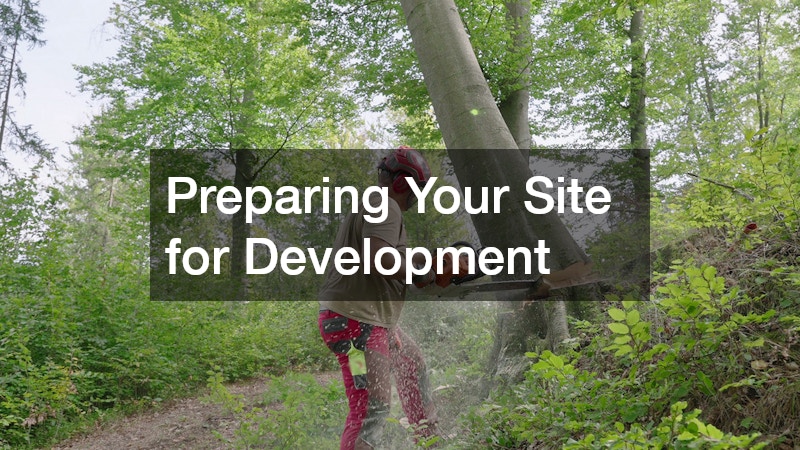
Once you secure your property, preparing it for construction is the next critical step. Land clearing services help transform raw or undeveloped land into a buildable site. These services include removing trees, brush, stumps, and debris, grading the land, and preparing the soil for infrastructure development. Proper land clearing ensures a safe and efficient construction process.
Neglecting this step can lead to costly delays. For instance, hidden stumps or uneven terrain can complicate excavation or foundation work, while unmanaged vegetation may increase fire hazards or pest problems. Working with professionals who understand local environmental regulations can prevent fines and ensure compliance with permitting requirements.
Additionally, site preparation often involves improving drainage and addressing soil stability issues. This reduces erosion, flooding, or shifting that could compromise structures later. A well-prepared site not only facilitates smoother construction but also extends the lifespan of your facilities. Planning land clearing carefully allows you to build confidently, knowing that your site is stable and ready for development.
Securing Financing for Your Land Purchase
Acquiring land usually requires a substantial investment, and most entrepreneurs rely on banks that offer land loans to cover the cost. These loans are specifically designed for property purchases and often have different requirements than standard business loans. Understanding these requirements is essential for a successful application.
Lenders typically assess factors such as property location, intended use, and your business plan. They may also require detailed financial records and proof of income or assets. Interest rates and repayment terms can vary widely, so it’s important to compare options from multiple banks. Some lenders also offer flexible repayment schedules to accommodate new businesses, which can be a significant advantage.
Building a strong relationship with your bank can improve your chances of approval and favorable loan conditions. Presenting a clear plan for how the land will be used and developed demonstrates preparedness and lowers perceived risk. Ultimately, securing the right financing allows you to invest confidently in property that will support your business objectives without overextending your resources.
Essential Groundwork Solutions for Building Success
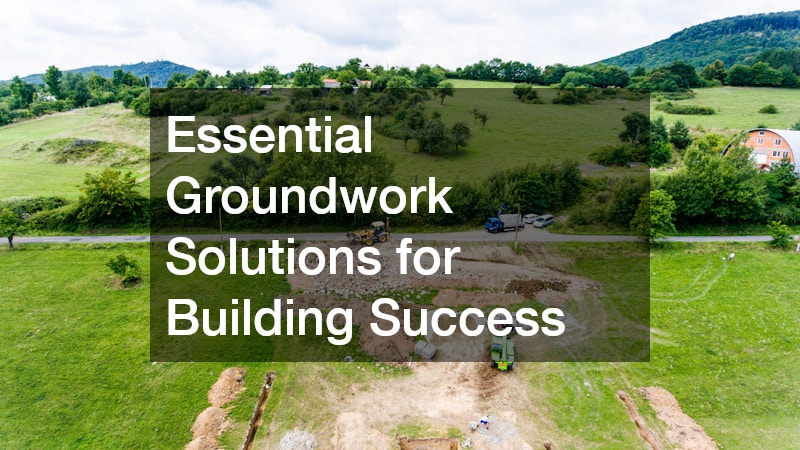
Before construction begins, laying a solid foundation is essential. Excavation services provide the groundwork by digging foundations, trenches, and utility lines, ensuring your project starts on a stable base. Poor excavation can result in structural problems, delays, and increased costs, making this step critical for success. A properly excavated site also facilitates efficient drainage and prevents future soil settlement issues that could compromise buildings.
Excavation professionals work closely with engineers and architects to assess soil quality, site contours, and drainage requirements. By planning excavation carefully, you can avoid problems such as soil shifting, water accumulation, or foundation instability. Experienced contractors also ensure that utilities are properly routed and installed, minimizing future disruptions. Documenting the excavation process can also help track progress and identify potential issues early.
Additionally, excavation often involves site grading, which can improve accessibility and reduce erosion risks. Taking the time to understand the scope of excavation work and maintaining clear communication with your team ensures that the project remains on schedule and within budget. Proper groundwork sets the stage for a strong and lasting facility. Investing in skilled excavation services prevents costly revisions and protects the integrity of your entire project.
Protecting Your Construction Site and Team
Safety and security should never be overlooked in construction projects. Construction security services provide protection for both your property and your workforce. These services can include fencing, surveillance systems, security personnel, and access control, all designed to prevent theft, vandalism, and unauthorized entry.
A secure construction site not only protects your assets but also contributes to a safer environment for workers. Reduced risks of accidents or theft can lower insurance premiums and avoid costly interruptions. Choosing a security provider experienced in construction environments ensures that your site complies with safety regulations while deterring potential threats.
In addition, security personnel can monitor adherence to safety protocols, preventing unsafe practices that could lead to injuries. Investing in construction security is a proactive measure that safeguards your team, equipment, and project timeline, creating peace of mind for everyone involved.
Ensuring Worker Safety at Heights
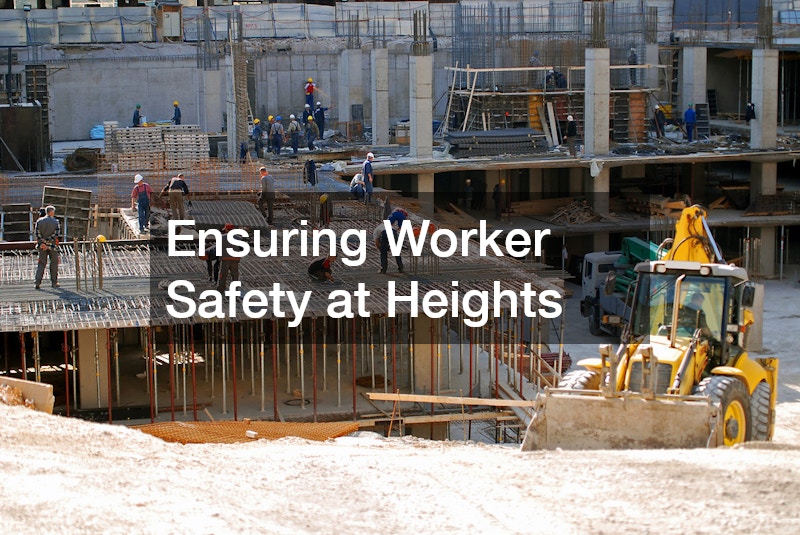
Many construction tasks involve working at elevated levels, which can pose serious hazards. Implementing a fall arrest system is critical to prevent injuries or fatalities. These systems include harnesses, anchor points, and lifelines engineered to meet safety standards and protect employees if a fall occurs.
Regular inspection and maintenance of fall arrest equipment is necessary to ensure reliability. Training workers on proper use and emergency procedures is equally important. By prioritizing fall protection, you not only comply with legal requirements but also demonstrate a commitment to employee safety, which can improve morale and productivity. Integrating fall protection into daily routines reinforces safety awareness and reduces long-term liability.
Beyond legal compliance, a strong fall protection program reduces liability for your business. When workers feel secure and supported, they are more likely to perform efficiently, minimizing delays caused by accidents or safety investigations. Documenting safety protocols and employee training can also help demonstrate compliance during inspections or audits.
Accessible Safety Training for All Employees
Safety training is essential for maintaining a compliant and productive workforce. Offering OSHA training in Spanish or other relevant languages ensures that all employees fully understand workplace hazards, proper equipment use, and emergency procedures. Language-accessible training helps prevent accidents and ensures compliance with federal and state regulations.
Effective training programs include hands-on demonstrations, visual aids, and practical exercises. By reinforcing key concepts through repetition and engagement, employees retain important safety practices and apply them consistently on the job. Providing training in multiple languages also fosters inclusivity, showing that your business values every worker’s safety and well-being.
Regular refresher courses help maintain awareness as projects evolve or new risks emerge. Incorporating accessible safety training into your company culture not only protects workers but also enhances your reputation as a responsible employer. Consistent training reinforces the message that safety is a core value, not just a requirement.
Building Strong Foundations With Durable Frameworks
The structural integrity of your facilities is a long-term investment. Structural steel is a preferred material for commercial and industrial construction due to its strength, durability, and versatility. Steel frameworks provide a reliable foundation capable of supporting heavy loads and accommodating large open spaces, which is ideal for warehouses, manufacturing plants, and office buildings. Its adaptability also allows for innovative architectural designs that can set your business apart.
Using high-quality steel ensures that your building remains stable under stress, resists natural disasters, and maintains its shape over time. It also allows for faster construction compared to traditional materials, reducing labor costs and project timelines. Working with experienced structural engineers and fabricators ensures that steel components are designed to meet specifications and building codes.
Investing in a durable framework is not just about immediate construction needs—it is about creating a facility that supports your operations for decades. A well-planned steel structure can adapt to future expansions, helping your business grow without requiring major reinvestment.
Custom Fabrication for Specialized Projects
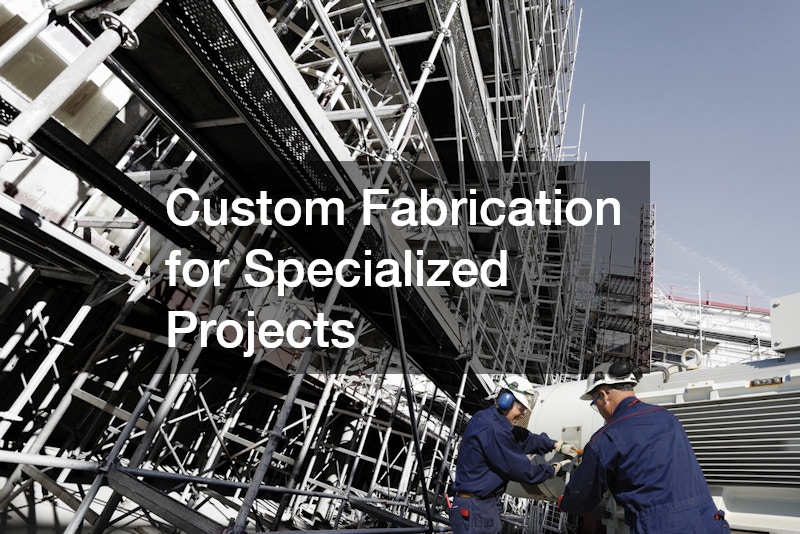
Some projects demand components that cannot be purchased off the shelf. Alloy metal fabrication enables businesses to create custom parts, machinery, and structural elements tailored to specific requirements. Fabrication processes include cutting, welding, shaping, and finishing metals to exact specifications.
Using quality alloys ensures longevity, corrosion resistance, and performance under demanding conditions. Collaborating with skilled fabricators allows you to achieve precise designs that improve operational efficiency and meet regulatory standards. Custom metalwork can enhance the functionality and aesthetics of your facility, providing solutions that mass-produced parts cannot.
Planning ahead for fabrication needs also reduces delays during assembly and construction. By integrating alloy metal fabrication into your project early, you ensure that all specialized components are available when needed, keeping your timeline on track.
Keeping Your Roof Reliable and Resilient
The roof is a critical part of any building, providing protection from weather, water damage, and energy loss. Hiring a professional roofer ensures that your facility’s roof is installed correctly and maintained over time. Poor roofing can compromise your entire investment, leading to leaks, structural damage, and expensive repairs.
A professional roofer evaluates your building’s needs, recommends suitable materials, and ensures installation complies with local building codes. Routine inspections and maintenance extend the roof’s lifespan and prevent small issues from escalating into costly problems. A reliable roof safeguards not only your property but also the employees and equipment inside.
Investing in professional roofing services contributes to the overall efficiency and safety of your operations. A well-maintained roof also reflects positively on your business, demonstrating attention to detail and a commitment to quality infrastructure.
Launching a business involves much more than simply opening doors. Every step, from purchasing industrial property for sale to securing financing, preparing the site, ensuring worker safety, and sourcing durable materials, contributes to your long-term success. Understanding the complexities of land acquisition, loans, labor, and construction allows you to make strategic decisions that protect your investment and promote growth.
By working with experienced professionals in land clearing, excavation, structural steel, alloy fabrication, roofing, and safety training, you minimize risk and maximize efficiency. Each decision, whether it involves securing a loan or implementing a fall arrest system, has far-reaching implications for your operations.
Taking a proactive, informed approach to land, loans, and labor sets the foundation for sustainable business growth. With careful planning, reliable partners, and a commitment to safety and quality, you can build a business that thrives in today’s competitive landscape. The journey may be complex, but with the right strategy and resources, your vision can become a reality that supports both immediate success and long-term resilience.