The sheer complexity of commercial HVAC (Heating, Ventilation, and Air Conditioning) systems can be overwhelming for businesses navigating these essential services. Unlike residential systems, commercial HVAC setups demand a more intricate design and operational framework. They must address the diverse needs of large and varied spaces, ensuring a consistent atmosphere conducive to productivity and comfort. A failure to properly manage these systems can lead to significant operational inefficiencies and increased costs. As such, understanding the basic mechanics of these systems is crucial for stakeholders looking to optimize their operational environment.
Commercial HVAC systems vary significantly in scale and specification compared to their residential counterparts. They are engineered to handle greater loads and fluctuating demands that arise in different commercial environments. For instance, a single system might need to effectively manage the climate of office spaces, meeting rooms, and server hubs, each with distinct requirements. Understanding such diversity is essential for ensuring that the system selected meets the specific challenges of the building’s layout and use. Properly choosing and installing an HVAC system can dramatically increase both energy efficiency and employee comfort.
Furthermore, advancements in HVAC technology continue to evolve, making modern systems more efficient and adaptable. In recent years, innovations like integrated IoT devices, enhanced ductwork design, and advanced temperature controls have found their way into the commercial HVAC landscape. As a result, facility managers and business owners must stay informed about new solutions that can offer better efficiency and reduced environmental impact. By staying up-to-date on current trends and technologies, businesses can secure an HVAC service provider that not only meets their existing needs but also prepares them for future challenges.
The Importance of Regular Maintenance
Regular maintenance is a cornerstone of efficient commercial HVAC services. Regardless of how advanced a system may be, it requires consistent checks and servicing to operate optimally. Neglecting routine maintenance can lead to problems such as impaired performance, higher energy consumption, and even system breakdown. Scheduled check-ups are the best way to prevent minor issues from escalating into costly repairs or total system failure. By investing in regular maintenance, businesses can ensure their HVAC systems continue to perform effectively over time.
An effective maintenance plan should include a detailed schedule for inspections, cleaning, and adjustments. This plan should address crucial components such as filters, coils, and airflow requirements. Filters clogged with dust and debris, for example, can hinder airflow, forcing the system to work harder and consume more energy. Cleaning coils and checking for proper airflow distribution helps maintain an efficient system. A well-documented maintenance schedule not only extends the lifespan of the system but also ensures it operates at peak efficiency.
Besides preventing operational disruptions, regular maintenance can significantly influence energy savings. Well-maintained systems more efficiently convert energy into heat or cooling power, reducing overall utility expenses. As energy costs continue to rise, this aspect of HVAC management becomes even more critical. Moreover, an efficiently functioning HVAC system can make a substantial difference in a company’s carbon footprint, aligning operations with sustainability goals. Ultimately, prioritizing regular maintenance protects both a business’s bottom line and the environment.
Choosing the Right HVAC Service Provider
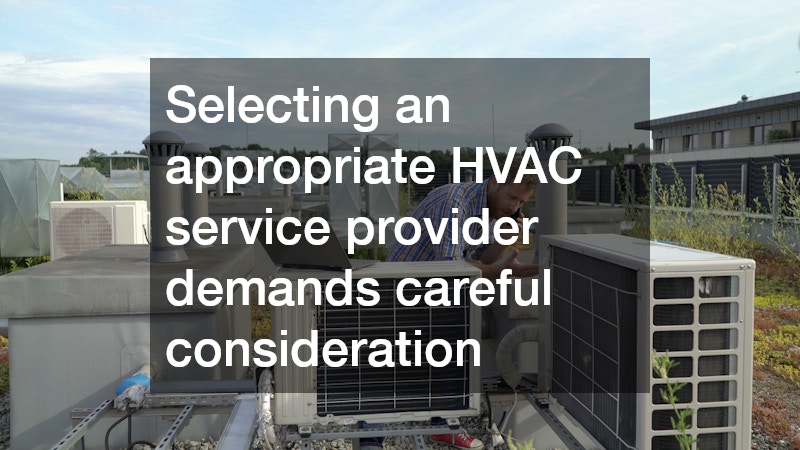
Selecting an appropriate HVAC service provider demands careful consideration. Businesses must evaluate providers based on their expertise, reputation, and responsiveness to ensure they can meet the unique requirements of their HVAC systems. A proven track record and a team of skilled technicians are essential indicators of a reliable provider. Moreover, the provider should offer comprehensive services that cover installation, maintenance, repairs, and upgrades. By entrusting their HVAC needs to qualified experts, companies can concentrate on their core operations, confident that their climate control systems are in good hands.
Another critical factor when choosing an HVAC service provider is their familiarity with the latest technological advancements. A provider that stays informed about the evolving landscape of HVAC technology can offer innovative solutions that enhance system efficiency and sustainability. For instance, integrating smart systems that automatically adjust settings based on occupancy can drastically reduce energy waste. Providers offering such forward-thinking solutions can help businesses leverage technology to optimize their environmental control strategies. Thus, staying ahead of technological trends provides businesses with a competitive edge.
Additionally, transparent communication and responsiveness are vital traits in a service provider. Companies need to know that their provider is readily available to address concerns, whether they are routine or emergency situations. Clear agreements and accessible support help foster a trusting relationship, ensuring that potential problems are handled swiftly. A service provider that emphasizes customer satisfaction positions itself as a valued partner in a business’s operational success. Choosing the right partner can make all the difference in maintaining a comfortable, efficient, and dependable indoor environment.
Innovation and Future Trends in Commercial HVAC Services
The commercial HVAC industry is on the cusp of numerous innovations poised to redefine service standards and capabilities. Advancements such as smart sensors, AI-driven analytics, and renewable energy integration are transforming how these systems operate. Smart sensors, for example, constantly monitor and adjust system components to increase efficiency and optimize energy usage. AI-powered analysis can predict maintenance needs before breakdowns occur, significantly reducing downtime and associated costs. Furthermore, incorporating renewable energy solutions like solar and geothermal technology helps reduce dependence on traditional energy sources.
Looking ahead, the integration of digital platforms with HVAC systems is expected to further streamline management and innovation. With the Internet of Things (IoT) and building management systems, facilities can seamlessly coordinate operational aspects, further enhancing efficiency. Predictive algorithms and real-time data analytics provided by digital platforms will continue to refine HVAC operations. Such advancements promise a new era of customized, responsive, and sustainable climate solutions. Businesses leveraging these technologies will not only benefit from economic savings but also support global sustainability initiatives.