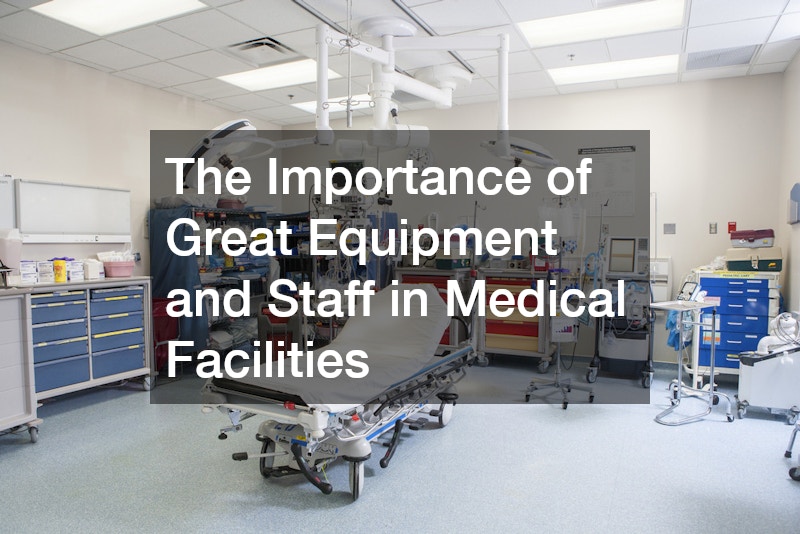
Modern healthcare delivery relies heavily on a dual foundation consisting of sophisticated technical infrastructure and highly qualified personnel. Medical facilities face continuous challenges regarding patient safety, regulatory compliance, and clinical precision. To navigate these complexities successfully, leadership teams must invest strategically in top-tier medical devices and skilled workforce solutions. When advanced tools are combined with expert hands, clinical outcomes improve dramatically, and administrative overhead decreases.
Building a resilient healthcare institution requires a clear focus on the synergistic relationship between hardware, infrastructure, and staff capabilities. Advanced clinical tools reduce the probability of human error, while experienced staff members ensure that technologies are utilized to their full capability. By focusing on both capital investments and human capital, healthcare organizations can create an environment that promotes patient recovery, safeguards staff wellbeing, and ensures long-term financial viability.
Upgrading Core Infrastructural Systems
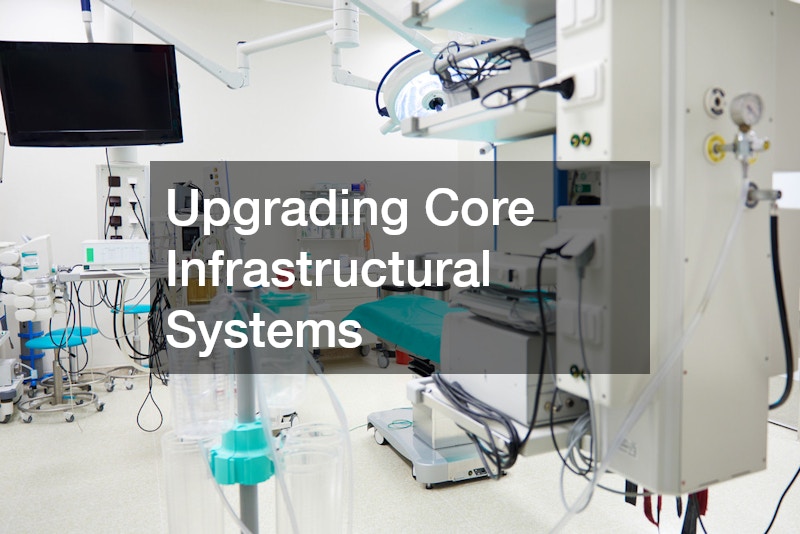
Maintenance Protocols for Life Support and Delivery Installations
Infrastructural hardware forms the backbone of any hospital or clinical site. Central gas supply hubs and delivery channels must maintain precise pressure levels to keep patients stable during surgical procedures and intensive care admissions. Routine maintenance and third-party audits of medical gas service lines are vital to prevent system disruptions, pressure drops, or dangerous contamination.
-
Establish strict inspection schedules for pipeline networks, regulators, and distribution outlets.
-
Train clinical teams to read localized zone valve boxes and execute shutoff procedures during emergencies.
-
Deploy secondary backup manifolds to preserve steady pressure during scheduled servicing.
Backup Power Strategies for Critical Interventions
Electrical stability is non-negotiable in environments where patient lives depend on continuous monitoring and life-support machinery. Facilities should deploy a robust emergency generator system that engages immediately during local grid failures or natural disasters. Regular load testing, fuel filtration, and routine battery checks guarantee that life-saving machines, lighting, and climatic controls remain operational when main power sources are unexpectedly severed.
A resilient power contingency plan requires systematic circuit allocation across every department. High-priority zones—including intensive care units, operating rooms, and emergency suites—must receive immediate generator coverage. Full-load tests under simulated blackout conditions help engineers address potential transfer delays before an actual grid outage occurs.
Environmental and Asset Monitoring Architectures
Managing physical infrastructure extends beyond immediate power lines and gas hookups to encompass environmental parameters throughout the facility. Temperature and humidity levels in sterile storage rooms, operating suites, and pharmacy vaults must remain within strict regulatory windows to preserve pharmaceuticals and delicate surgical gear. Remote environmental monitoring networks alert engineering staff instantly when environmental parameters drift away from standard thresholds.
Furthermore, real-time location systems attached to high-value physical assets allow personnel to trace equipment instantly across multi-story buildings. Locating diagnostic tools or infusion pumps quickly saves critical time during emergencies, reduces equipment hoarding across clinical units, and ensures preventative maintenance schedules are strictly followed without interrupting active patient care.
Optimizing Clinical Operations and Specialized Care
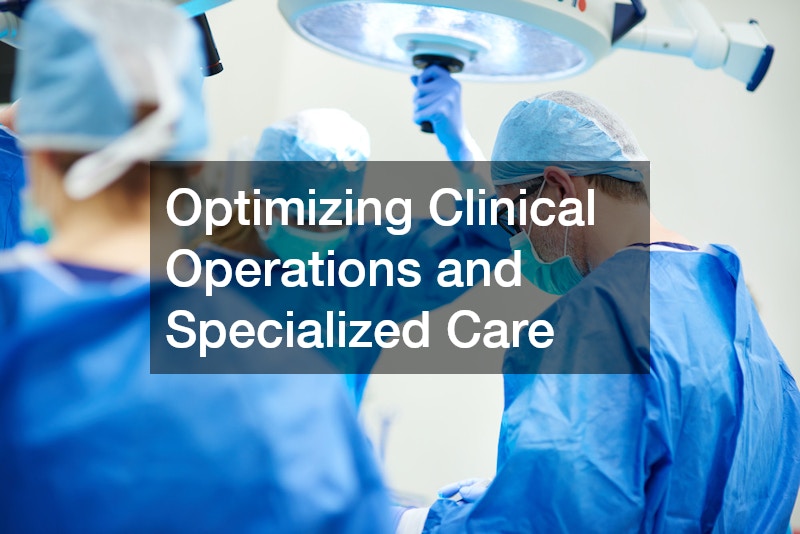
Equipping Specialized Ophthalmic Surgery Suites
Surgical centers specializing in complex ocular procedures require extreme precision and absolute cleanliness. Investing in state-of-the-art vitrectomy surgical eye equipment allows surgeons to perform delicate retinal procedures with enhanced maneuverability and reduced patient recovery times. Ensuring surgical teams have access to high-precision vitreoretinal instruments, advanced illumination systems, and automated fluidics improves procedural accuracy and minimizes postoperative complications.
-
Conduct specialized training for scrub techs on light pipe calibration and cutter speeds.
-
Standardize equipment setup protocols to reduce turnaround times between surgical cases.
-
Perform regular preventative maintenance on specialized intraocular instrumentation.
Streamlining Respiratory and Supplemental Air Solutions
Respiratory therapy units require versatile equipment to handle fluctuating patient volumes efficiently across emergency rooms and general wards. Facilities must maintain a reliable supply of high-grade oxygen products to support individuals recovering from acute respiratory illnesses or surgical procedures. Staff should be systematically trained on inventory rotation, regulator safety, and emergency valve operations to guarantee rapid delivery during acute patient distress.
Standardizing Diagnostic Equipment and Ergonomics
Accurate diagnostic readings form the bedrock of effective clinical decision-making. Equipment such as electrocardiograms, vital signs monitors, and imaging machines must undergo precise, routinely scheduled calibration cycles. When diagnostic devices lose accuracy, clinicians risk misinterpreting vital signs, leading to delayed treatments or incorrect drug dosing.
Simultaneously, the physical design of clinical equipment impacts staff health and patient comfort. Modern patient beds, exam tables, and transfer apparatus should incorporate ergonomic features that allow effortless adjustment. Utilizing height-adjustable equipment reduces occupational back strain and joint injuries among nursing staff, preserving workforce longevity.
Integrating Surgical Suites with Advanced Diagnostic Tools
Modern operating rooms increasingly rely on integrated digital infrastructure that connects imaging feeds, patient vital signs, and surgical instruments directly into unified overhead displays. Having real-time access to diagnostic scans during active surgical procedures enhances situational awareness for the primary surgeon and support personnel. This technological synergy minimizes intraoperative delays and reduces total time spent under anesthesia.
-
Install ceiling-mounted boom systems to eliminate trailing power cords and improve room sterility.
-
Implement integrated digital displays that pull up imaging files directly during operations.
-
Standardize equipment interfaces across all operating suites to lower staff orientation barriers.
Optimizing Laboratory Automation and Diagnostic Speed
Modern clinical laboratories rely heavily on automated specimen processing systems to maintain rapid diagnostic turnaround times. Advanced chemistry analyzers and automated centrifuges reduce physical sample handling, minimizing pre-analytical errors and cutting specimen processing times significantly. When diagnostic laboratories operate at high efficiency, physicians across all clinical departments receive critical lab values faster, enabling timely medical interventions.
Laboratory personnel must maintain rigid quality control testing routines for every automated diagnostic unit on the floor. Regular calibration checks and reagent inventory management prevent machine downtime and ensure test accuracy. Investing in modern laboratory automation shields clinical operations from bottlenecks during peak diagnostic hours.
Safeguarding Facilities and Patient Populations
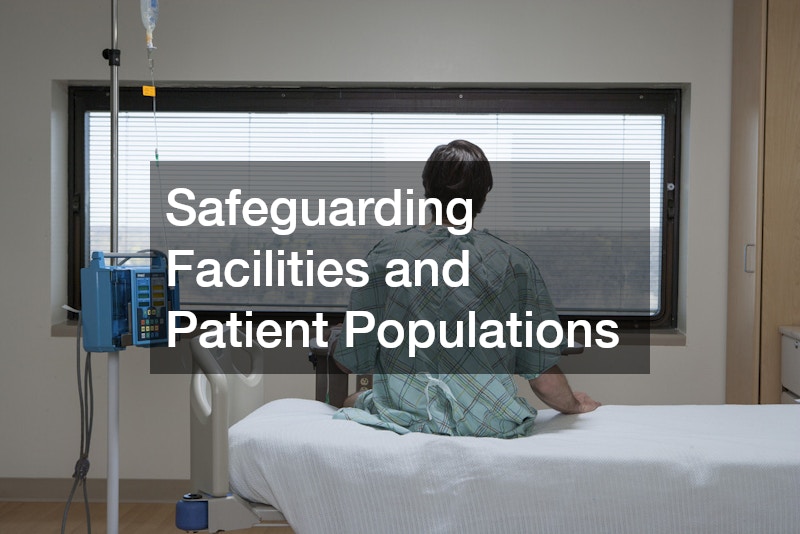
Implementation of Modern Physical Security Standards
Controlling physical movement within a facility protects vulnerable patients, keeps pharmaceutical inventories secure, and limits access to restricted areas. Modern access control technology, including biometric scanners and electronic keycards, provides real-time audit trails of who enters sensitive departments like nurseries or pharmacy stores. Security directors should continuously update credentialing rules and conduct quarterly vulnerability assessments to prevent unauthorized entry.
-
Divide facility access into public visitor areas and secure clinical treatment zones.
-
Implement visually distinct corridors, electronic doorways, and security desks.
-
Conduct joint response drills with staff to handle unauthorized intrusions effectively.
Management Protocols for Hazardous Materials and Contamination
Proper management of dangerous biological waste protects clinical personnel, patients, and the surrounding community from exposure risks. Utilizing certified biohazard cleanup teams ensures that contaminated materials, sharp instruments, and infectious fluids are handled according to strict regulatory standards. Staff must receive ongoing education on proper personal protective equipment usage, spill isolation techniques, and immediate containment protocols to minimize cross-contamination hazards.
Advanced Disinfection and Fire Safety Systems
Preventing healthcare-associated infections requires combining manual sanitation with automated decontamination tools, such as ultraviolet light disinfection robots. These advanced sterilization technologies eradicate resistant pathogens from room surfaces and surgical equipment far more effectively than traditional wipe-down methods alone.
Additionally, facilities present unique fire safety challenges due to compressed gases and high-voltage electronics. Deploying specialized fire suppression systems, smoke barriers, and fire-rated doors engineered to isolate hazards without exposing patients to toxic chemicals ensures safety. Regular testing of evacuation systems and fire alarms maintains total facility readiness.
Bridging Gaps with Flexible Workforce Solutions

Utilizing Supplemental Personnel During Demand Spikes
Fluctuating patient census numbers and sudden staff shortages can strain permanent clinical teams and lead to burnout. Leveraging strategic relief staffing services allows facilities to maintain appropriate nurse-to-patient ratios during seasonal spikes without compromising standards of care. Human resource managers should establish partnerships with reputable staffing agencies that thoroughly vet candidates for clinical competence and swift adaptability.
-
Establish organized onboarding protocols for temporary personnel upon arrival.
-
Provide immediate access to electronic health record systems and orientation guides.
-
Foster an inclusive environment that maintains team morale and consistent care quality.
Integrating Expert Legal Oversight into Risk Management
Modern risk management requires a deep understanding of clinical practices, institutional policy, and legal standards. Employing a qualified legal nurse consultant helps facilities analyze clinical documentation, evaluate patient safety events, conduct root-cause analyses, and prepare for potential administrative reviews or litigation. These specialized professionals bridge the gap between healthcare practices and legal compliance, helping administrators identify systemic vulnerabilities before they lead to costly claims.
Supporting Workforce Longevity and Wellness
Investing in advanced clinical equipment is only effective when staff members operate those tools with confidence. Healthcare institutions must prioritize continuing professional education programs, offering hands-on workshops and simulation training for all personnel.
Furthermore, the physical and emotional demands placed on medical personnel require active institutional support. Implementing comprehensive wellness programs, peer support networks, and psychological counseling resources helps prevent burnout. Providing access to quiet break spaces and reasonable shift scheduling demonstrates a genuine commitment to employee wellbeing, reducing turnover and improving patient care.
Elevating Outpatient and Mobility Services
Managing Transitional Behavioral Health Services
Outpatient care structures require dedicated personnel and specific physical arrangements to support long-term recovery and mental health stabilization. Facilities that administer partial hospitalization programs must provide structured clinical interventions, group therapy spaces, and safe environment controls while maintaining a supportive environment. Staff working within these structured programs should focus on personalized treatment plans, regular progress evaluations, and seamless communication with primary care providers to lower readmission rates.
-
Design treatment spaces with safe fixtures and private consulting rooms.
-
Coordinate closely with social workers, psychiatrists, and family support systems.
-
Establish clear step-down protocols to help patients transition back into daily community life.
Partnering with Specialized Mobility Providers
Patient independence and safe physical transport depend heavily on access to modern assistive movement devices. Collaborating with a reliable mobility equipment company ensures that facilities receive durable, ergonomic, and properly calibrated wheelchairs, motorized lifts, customized seating, and walking aids tailored to diverse patient demographics. Biomedical engineering teams should routinely inspect, clean, and service all patient transport devices to prevent mechanical failure during physical transfers.
Virtual Care and Emergency Transport Infrastructure
The expansion of virtual healthcare services requires healthcare facilities to invest in reliable digital infrastructure. Deploying high-definition video units, secure portals, and remote monitoring kits allows clinicians to track vital metrics for off-site patients effectively. Integrating remote monitoring platforms into standard outpatient workflows helps care providers identify early signs of health deterioration before acute emergencies occur.
For emergency departments, transport vehicle quality directly impacts pre-hospital care outcomes. Facilities operating ambulance fleets must equip every vehicle with advanced life-support tools and telemetry communication gear. Routine mechanical inspections and strict sanitation protocols guarantee that transport units remain ready for immediate dispatch.
Strengthening Post-Acute Care Integration
Smooth transitions between inpatient hospitalization and post-acute rehabilitative environments are necessary to preserve treatment gains. Outpatient clinics must establish clear operational protocols for sharing medical records, rehabilitation routines, and medication schedules with home health aides and physical therapy partners. Clear handoff procedures minimize post-discharge complications, reduce preventable emergency room visits, and increase overall patient satisfaction metrics.
Establishing dedicated care coordinator roles within outpatient centers streamlines follow-up appointments and equipment deliveries for discharged patients. Coordinators verify that home care equipment is installed correctly before the patient leaves the hospital setting. This proactive coordination builds a reliable safety net for patients during vulnerable recovery windows.
Enhancing Outpatient Physical Rehabilitation Programs
Comprehensive outpatient rehabilitation centers require specialized mechanical equipment and skilled therapy staff to restore motor function after severe injuries or surgeries. Utilizing advanced gait training machines, therapeutic resistance pools, and computerized balance systems allows physical therapists to tailor recovery plans to individual mobility needs. Outpatient therapy teams must regularly inspect mechanical resistance devices to protect patients from equipment failures during active exercises.
Clear communication between rehabilitation staff and attending physicians ensures that physical recovery stays aligned with broader medical goals. Therapists should document functional progress after every session using standardized evaluation scales. Having well-equipped therapy rooms paired with certified specialists accelerates functional recovery and helps patients regain long-term independence.
Driving Continuous Improvement and Operational Success
Achieving long-term operational success requires a commitment to continuous evaluation, cross-departmental collaboration, and proactive strategic planning. Facility directors must establish clear feedback loops between frontline clinical workers, biomedical technicians, and administrative decision-makers. When staff members have a direct line of communication to request improved physical resources or report equipment flaws, administrative leadership can make targeted investments that yield immediate clinical and operational dividends.
Furthermore, integrating staff training directly with ongoing equipment maintenance schedules creates an institutional culture of safety and accountability. Continuous professional education ensures that clinical personnel remain up-to-date with emerging technological trends, while preventative maintenance protects valuable physical assets from premature failure. Through deliberate, balanced investments in both technological infrastructure and human capital, healthcare facilities can consistently deliver safe, high-quality, and reliable patient care across every department.